


Let’s talk about something nobody really wants to talk about—yep, the symptoms of worms in cats. If you’ve ever caught your furry pal scooting across the carpet or dealing with a belly that just seems, well, too round, you might be onto something. These signs could point to worms, and honestly, figuring stuff like this out is a big part of keeping our cats healthy—just like picking the right snacks or even getting crafty with safe treats like eggs. Sometimes I wish looking after my cat was as easy as finding out if cats can see in the dark (hint: they totally can). But when it comes to worms, there’s a bit more to it. Let’s spill the beans on what you actually need to know.
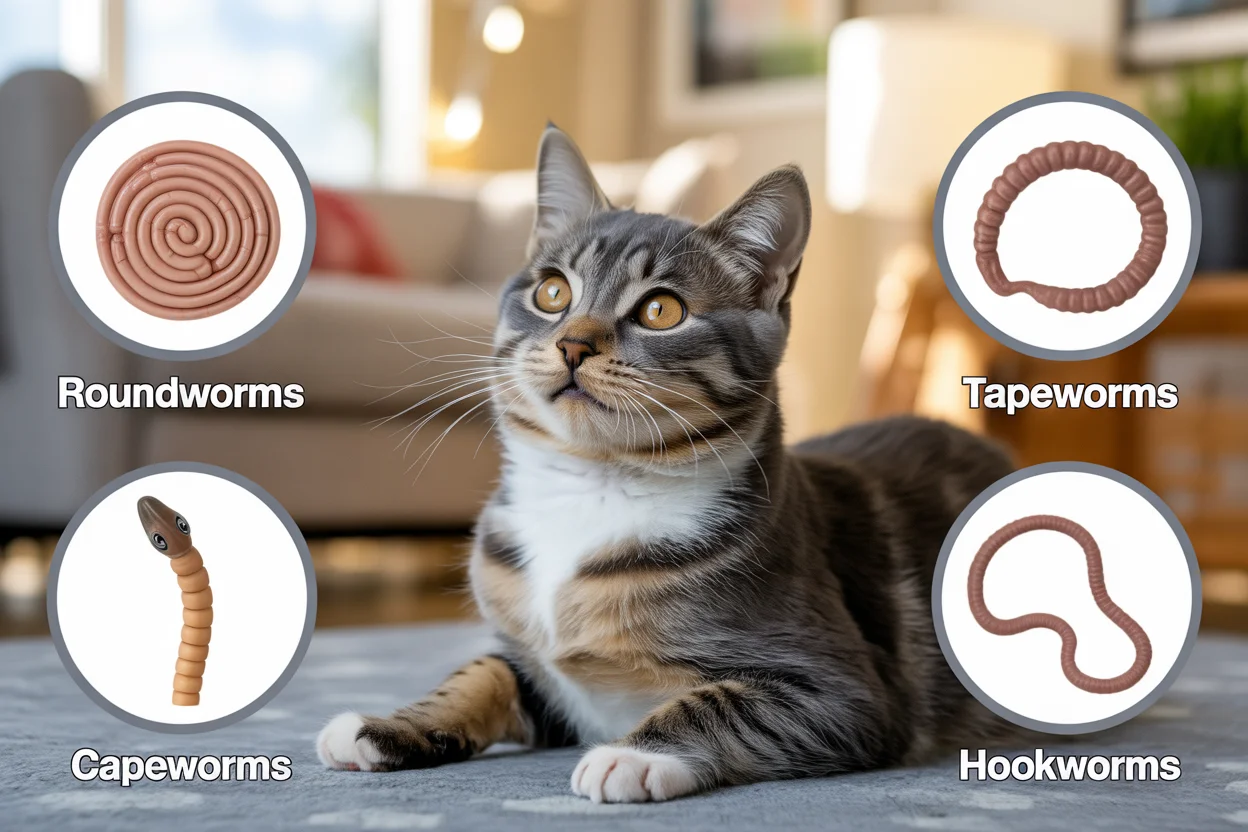
What Are Worms in Cats?
First off, worms in cats are pretty much what they sound like—little creepy crawlers living inside our pets. I know…gross.
- There are different types: roundworms, tapeworms, and even hookworms (the names alone, yikes).
- Most cats get worms from something they eat or from fleas.
- Kittens and outdoor cats are especially at risk, though any kitty can get ‘em.
- You might not even see the actual worm, but the effects? Sometimes super obvious, sometimes not.

Symptoms of Worms in Cats
Okay, this is the nitty-gritty. Watch your cat for these signs—some are subtle, others are as obvious as spilled milk.
- Round belly or potbelly, especially in kittens.
- Scooting or dragging their bum (never a good look, but can be hilarious for a split-second).
- Visible worms (or parts of them) in poop or near their rear end—think little rice grains. Ew.
- Weight loss even if your cat eats like it’s Thanksgiving daily.
- Dull coat, vomiting, diarrhea, or even coughing.
- Sometimes just acting weird—tired, grumpy, or less playful.
These aren’t one-size-fits-all—some cats hide things, like expert little ninjas.
Causes of Worms in Cats
So, where do these pesky worms come from anyway? Well, yeah…unfortunately, pretty much everywhere.
- Eating infected rodents (because why not, apparently).
- Fleas—gross little hitchhikers that drop off tapeworm eggs.
- Contact with contaminated poop, soil, or even mother’s milk (poor kittens!).
- Sometimes from eating raw meat or people food scraps (speaking of which, if you’re curious what cats should not snack on, here’s a useful breakdown).
It’s shockingly easy for a cat to pick up unwanted guests.
Treatment and Deworming Cats
Now for the “what do I do?” part—don’t worry, I’ve definitely panicked about this one before.
- Dewormers (meds) are your best bet—your vet will know which one for which worm.
- Never dose your cat with random stuff you find online. (I learned this the hard way—don’t ask.)
- You might notice worms in their poop for a few days after treatment—this is normal. Still gross.
- Sometimes a second dose is needed a few weeks later to zap the baby worms.
Follow vet instructions, seriously. No guesswork here!
Prevention of Worms in Cats
Honestly, easier to prevent worms than get rid of them (I wish I’d figured this out sooner).
- Keep up regular deworming, especially if your cat goes outside.
- Control fleas—treat your house, your pet, the whole nine yards.
- Scoop litter boxes daily, and wash your hands after.
- Don’t let your cat feast on critters, tempting as it may be for them.
Regular vet check-ups are key—think of it like your cat’s version of a check engine light.
Common Questions
Q: Do indoor cats even get worms?
A: Absolutely—they’re sneaky pests. Fleas, contaminated soil on shoes, or even food can bring worms inside.
Q: Can I get worms from my cat?
A: Yep, though it’s not super common. Washing hands (and watching where your cat sits) helps.
Q: How long does it take to see results after deworming?
A: Sometimes in just a few days, but complete worm-free status can take a few weeks.
Q: What if my cat doesn’t show any symptoms?
A: Some cats hide things well. Regular vet checks and poop checks are still a smart move.
Q: Is there a natural remedy for worms?
A: Some folks talk about pumpkin seeds and such, but honestly—vets know best for real results.
Keep Your Cat’s Belly (And Bum) Happy
So, now you know not only the signs of worms in cats but how to spot them, get rid of them, and keep them away for good. It’s not exactly a five-star-restaurant topic, but it’ll keep your furball feeling their best. Got other cat concerns? Here’s more about hair loss in cats and why they sometimes act downright odd. If you want even more deep dives, check out the expert advice from Worms in Cats | PetMD, Everything You Need to Know About Worms in Cats | Small Door …, or this handy resource at Worms in Cats & Kittens: What You Should Know | Hopkinsville Vet, if you want all the sciencey scoop! Here’s to happy, healthy, worm-free cats—now go give yours some head scritches!