
Ever wondered how to transition cat to new food without turning your mealtime into a feline standoff? If you’ve tried swapping your cat’s food and been met with a side-eye or a full-on hunger strike, believe me—I’ve been there. Cats, as stubborn as my Uncle Larry at Thanksgiving, do not appreciate sudden change. But whether it’s for allergies, age, or just because you snagged a great deal on a new bag, switching their food is sometimes a must. Let’s walk through what works (and what you’ll want to avoid) with some practical tips, a few blunders I learned the hard way, and a trick or two I picked up from how long can a cat go without food—don’t get me started on that panic. Oh, and by the way, if you’re the multi-pet sort, there’s also good info on can I feed cat food to a dog. Let’s get this cat show on the road. 
Reasons for Changing a Cats Food
Look—there’s actually good logic behind switching foods, even if your cat acts like you’ve betrayed them.
- Allergies or sensitivities: Sometimes your little guy starts scratching or getting weird rashes. Not pretty.
- Age makes a difference: Kittens, adults, and seniors? Totally different chow needed.
- Vet’s orders: Okay, when the vet says “new food,” you listen. Trust me.
- Boredom or preference: Sometimes they just… won’t eat it. You gotta mix it up.
- Health upgrades: Higher protein, grain-free, or just better ingredients. We all want a five-star restaurant, right?
How to Find a Similar Formula When Changing a Cats Food
Honestly, I wish I’d known this earlier. Huge mistake going from wild salmon to, uh, garden-variety chicken—whiplash for those picky taste buds.
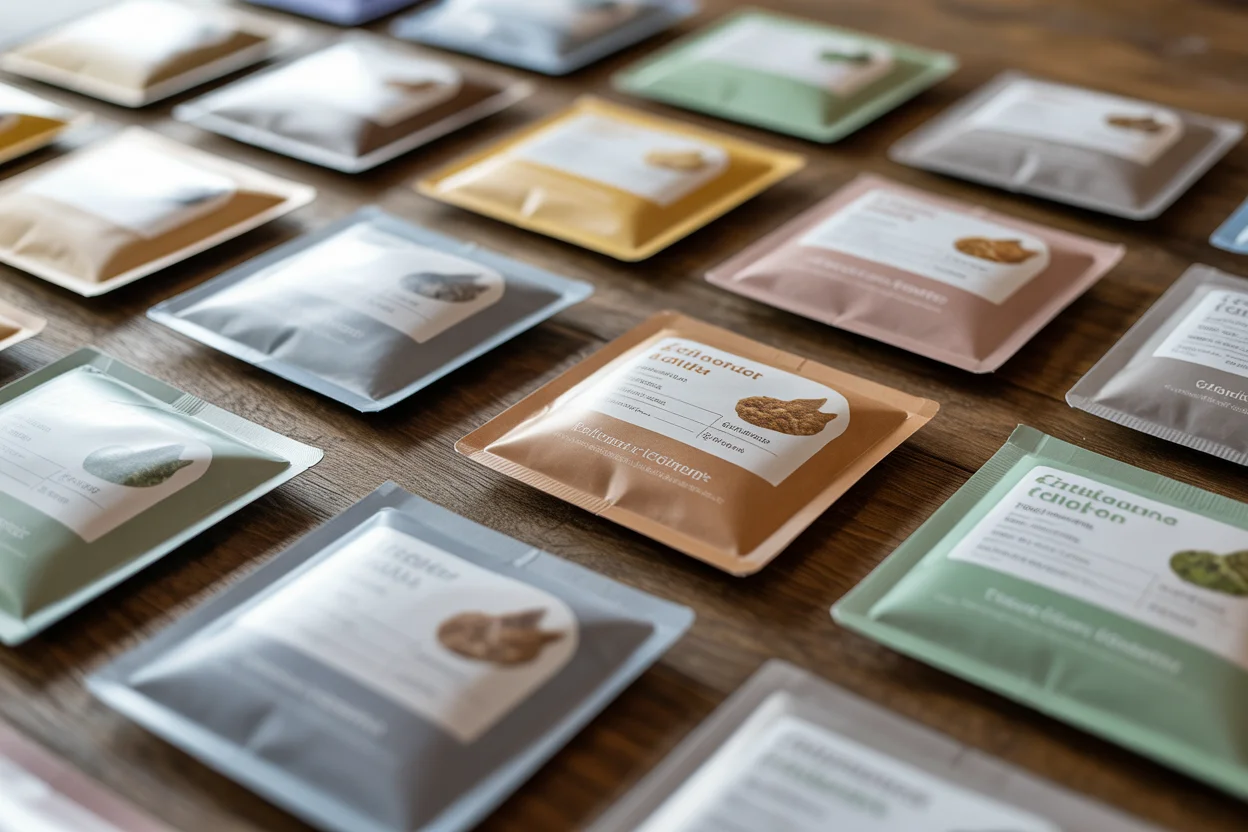
- Match the main protein: If your cat loves turkey, stick close. Sudden switch to fish? Maybe just don’t.
- Texture matters: Crunchy kibbles vs. soft pâté—if they’re used to one, look for something familiar.
- Watch the extras: Check for grains, fillers, or anything that might set off an allergy.
- Go slow with changes: Sometimes mixing a little old with the new (ratio-style) helps the transition.
Steps for Switching Cat Foods
Here’s your real-life step-by-step playbook. I call this “Operation: Avoid Cat Meltdown.”
- Days 1–2: Just a spoonful of the new stuff with the old food. Blink and you’ll miss it.
- Days 3–4: Mix a little more—maybe 25% new, 75% old. Watch for stink-eye.
- Days 5–6: You’ve hit the halfway mark. 50/50 mix. Power through.
- Day 7+: Flip it—mostly the new food with a bit of the old. By now, you might be in the clear… unless your cat is a drama queen.
- All along: Keep an eye on their litter box habits and appetite. Any issues? Slow it down.
Switching From Dry to Wet or Wet to Dry
Not all food is created equal. Switching between dry and wet? There’s an art to it… sort of.
- Introduce new texture slow: Mix in tiny bits, gradually increase.
- Offer both together: Let ‘em try side by side. Sometimes it’s a “nope” at first.
- Hydration watch: Wet food helps with water intake. Dry can require more sips—the switch matters, especially if hydration is a worry. (If that’s you, here’s a deep dive on how long a cat can go without water.)
- Stay patient: Days, not hours. Expect a few “what is this?!” faces.
Troubleshooting When Switching Cat Foods
Alright, you followed the steps… and you’ve still got a feline protest on your hands. Ugh.
- Appetite slump? Try adding warm water or low-sodium broth—smells better, apparently.
- Vomiting or diarrhea? Yikes. Switch back and slow down. Food transitions need time.
- Ignoring the bowl? Mix in a smidge of their favorite treat (or, dare I say, a dab of wet food for diabetic cats).
- Persistent problems? Call your vet! Not kidding—sometimes cats try to out-stubborn their humans, but real issues mean you need pro help.
Common Questions
Q: How fast should I switch my cat’s food?
A: A week or so is ideal, but some cats need even longer. No race here.
Q: What if my cat just refuses the new food?
A: Mix a teeny bit of the new with the old and go super slow. If you’re desperate, try flavor toppers—yup, they’re a thing.
Q: Is it okay to switch food types—like dry to wet—overnight?
A: Not really! Cat stomachs like gradual change. Go slow and steady.
Q: Diarrhea or vomiting after new food—is that normal?
A: A little, maybe, but if it continues or your cat stops eating, consult the vet right away.
Q: Can I feed my dog the new cat food leftovers?
A: Nope! Their nutrition needs are totally different. Find more about dogs and cat food here.
You and Your Cat—Winning the Food Switch (Maybe)
Let’s face it, learning how to transition cat to new food is a bit like cooking for a food critic who doesn’t talk—just glares. With patience and a sense of humor (and, I swear, a sprinkle of luck), you’ll get them on board. Always keep your cat’s health at the top of your mind—and don’t forget to check resources like Changing Cat Food: How to Transition Your Cat to New Food …, Changing a Cat’s Food: How-To | PetMD, and even real pet stories and debate on Reddit’s CatAdvice. Give it a try—your cat may just surprise you (and hey, maybe save you some mealtime drama in the process).