

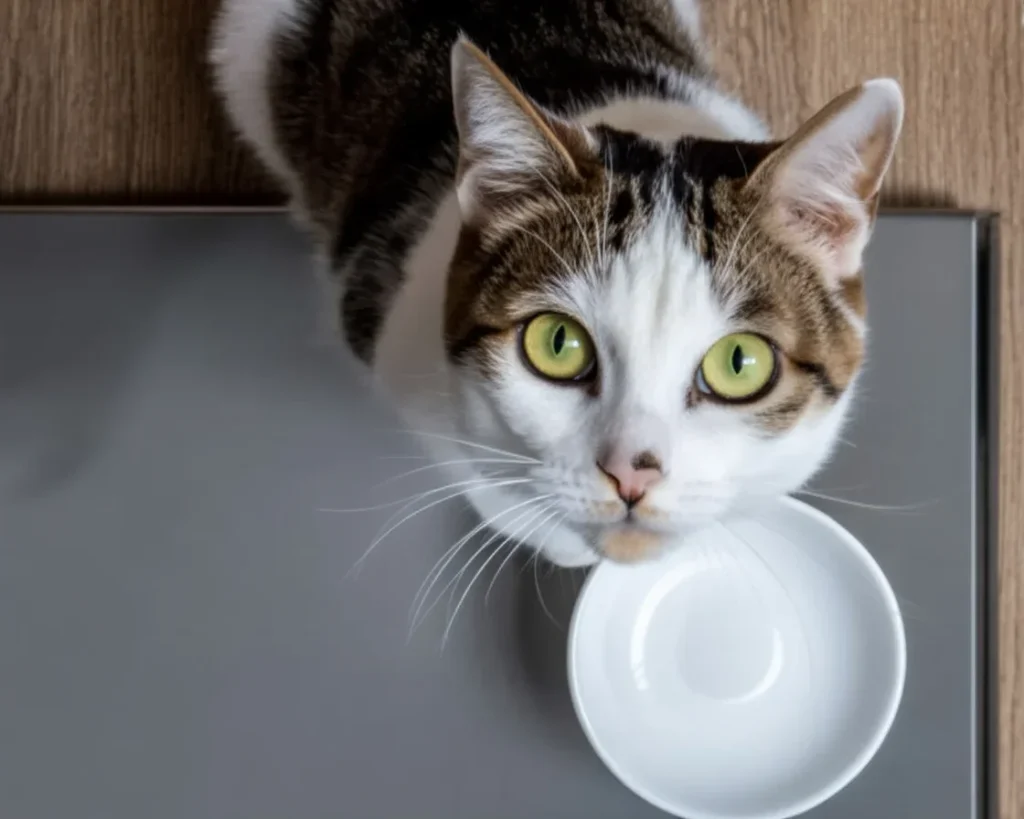
Finding the best diet for indoor cats can get…well, a little bonkers. You want your furball to be happy and healthy, right? One day they’re meowing for chicken, the next they’re batting at your toast like it’s a gourmet treat (ugh, classic cats). Plus—if you’re anything like I was—you might be googling “can cats eat blueberries” at 2am after your cat stole one off your plate, or wondering about all that stuff on safe snacks for cats. For a deep dive into the real scoop, check out can cats eat raw chicken safety tips for cat owners and don’t miss can cats eat blueberries for some surprises. Let’s break it down, right from the kitchen counter.

Supporting Cat Health with Information and Health Studies
- Knowing what’s really good for your cat sometimes means drowning in a sea of “expert advice.”
- Research says protein is king for cats—don’t let those swirling internet rumors scare you.
- Studies show nutritious diets help indoor cats live longer, fuller lives (think—less hairball drama).
- Chat with a vet, not just some guy online—smartest move I ever made.
Necessary Nutrients
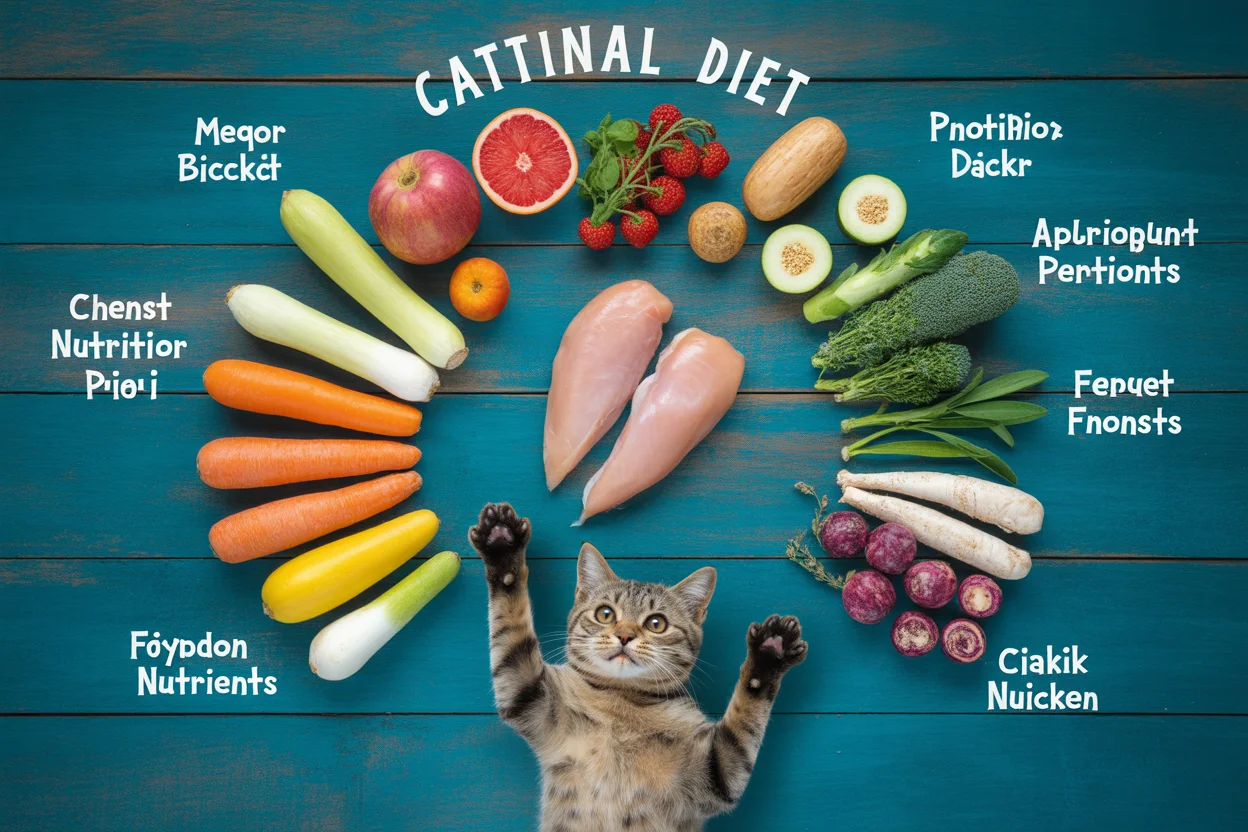
- Cats need more protein (think: “meat, please!”) than most of us realize.
- They can’t make essential things like taurine (fancy word, but super important) on their own; gotta get it from food.
- Indoor cats need fewer calories than wild outdoor cats. Couch napping is not exactly a cardio workout!
- Add in Omega-3s, vitamins, and lots of water—without these, everything gets weird.
Types of Commercial Cat Food
- There’s dry food (kibble), wet food (smells…uh, intense), and some snazzy semi-moist pouches.
- Dry food is easy (can’t lie, less mess) but doesn’t provide water—keep that water bowl topped up.
- Wet food? Usually loved by cats, helps hydration, but can get pricey and a pain if you hate opening cans.
- Some pet parents mix and match—it’s honestly like a daily game of “what will cat eat today?”
Life Stage Feeding
- Kittens are little eating machines and need special formulas loaded with calories.
- Adults: right ratio of protein and calories keeps those bellies slim (they may beg, but don’t let them win!).
- Seniors? Go for easy-to-chew and gentle-on-tummies food, and chat with the vet if you’re unsure.
- Watch for sudden changes—if your mature cat stops eating, get advice pronto.
The Pros and Cons of Commercial Foods
- Pros: Commercial food is balanced and safe, usually way more consistent than weird table scraps.
- Brands follow guidelines so you’re less likely to mess up the nutrients.
- Cons: Some have fillers and mystery ingredients—read those labels! Sometimes homemade is tempting, but it’s a science.
- Homemade food is possible but honestly, I feel like a mad scientist (and still check with my vet).
Common Questions
Can I share my breakfast with my cat?
Depends! Eggs can be safe if cooked, but toast? Maybe skip it. And for goodness’ sake, read up about bread and cats—not everything is cat cuisine.
Do indoor cats really need special food?
Yep, because they move less. Fat cat = couch potato drama. Look for “indoor” or “weight control” on labels.
What do I do if my cat won’t drink water?
Try wet food, or even leave ice cubes in the bowl if they’re fancy. Some cats love running water so—sink drips, anyone?
Are treats okay?
Sure! Moderation is key. (I bribe mine with the tiniest bits of chicken sometimes.) Want safe treat ideas? Peek at can cats eat eggs, feline-friendly snacks.
How often should I feed my indoor cat?
Twice a day works for most. But hey—routine helps prevent “starvation yowling” at 4am. Trust me.
Keeping Your Indoor Cat Happy, Healthy, and Well-Fed
To sum it up—the best diet for indoor cats means plenty of protein, the right amount of calories, and (seriously!) talking with your vet about options. Don’t stress if you make a mistake or two; we’re all learning. For more solid facts, check out Feeding Your Cat | Cornell University College of Veterinary Medicine, or see The best diet for your cat – PDSA. Wonder how others do it? Scroll through cat parents with long-lived furballs—you might pick up a trick or two. Go on, try out some new foods and enjoy keeping your cat purring and thriving!